

FOR

CONTEXT
Reframed a mobile design project as a research project and influenced the 5 year project roadmap and led to a series of patents.
ROLE
I was approached as a UX designer to provide guidance on the retail planning product portfolio
Before we start…
What is a planogram?
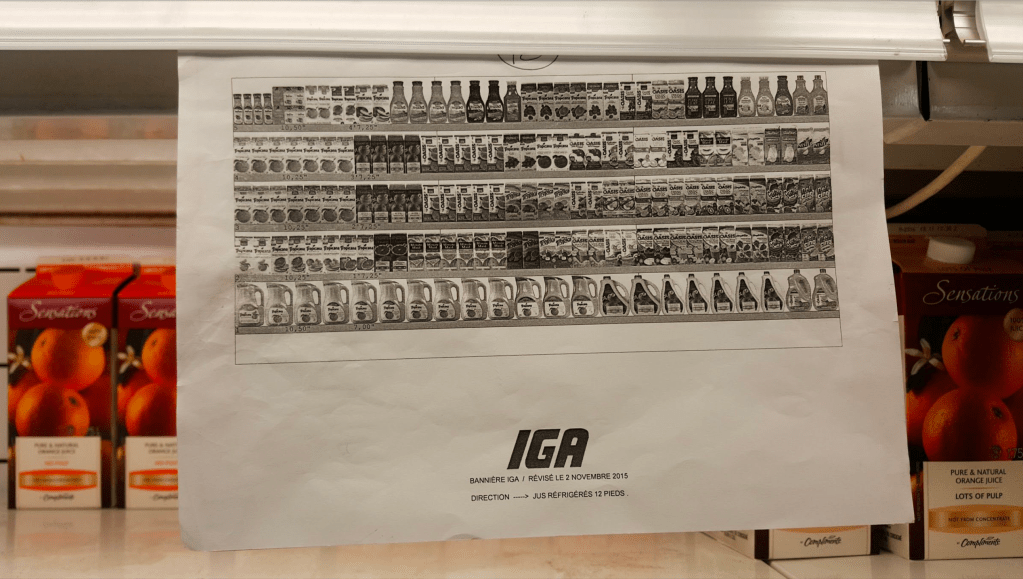
A planogram is a visual diagram that specifies the placement of products on store shelves. It optimizes product arrangement to maximize sales and ensures efficient use of space. Retailers use planograms to manage inventory, enhance customer experience, and maintain consistent product displays across multiple locations.
Brief
Project Overview
The project began with a request to build a mobile app for our category management products. The initial brief was solution-focused, with stakeholders expressing a desire to add a mobile app to their portfolio. While this direction provided clarity on the desired outcome, it raised questions about whether we fully understood the underlying challenges: were we addressing the right problems with this solution?
Initial Concerns
In discussions with stakeholders, it became clear that their vision was to develop a PDF reader for viewing letter-sized planograms on mobile devices. However, as anyone who has tried reading a PDF on a small screen knows, this approach can be cumbersome and counterproductive. I proposed that we take a step back to explore the deeper challenges in category management and planograms before committing to this solution.
Strategic Shift
After some negotiation, I successfully convinced the product managers to initiate research activities to mitigate the risk of developing an ineffective solution. This approach ensured that we fully understood the users’ needs and could deliver a solution that truly addressed their pain points.
Research 1: brief validation
We started by conducting a survey within our Category Management Special Interest Groups (SIG), which consists of customers and stakeholders who regularly discuss specific topics to influence product roadmaps and strengthen customer relationships.
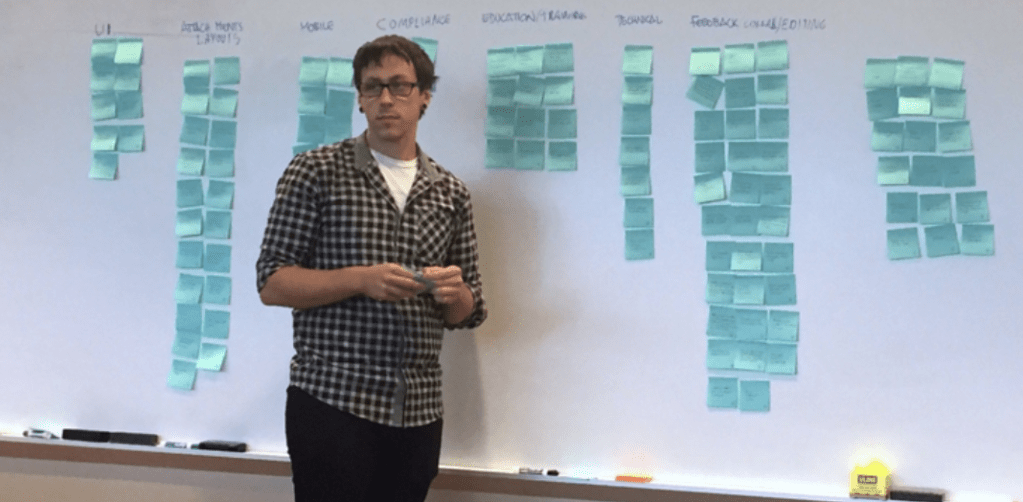
Following the survey, we held an in-person workshop with stakeholders to analyze the results and align on the next steps. During this workshop, we identified three recurring themes that were causing frustration and inefficiencies for our customers:
Increasing feedback There was a significant communication gap between the planners who design the planograms and the store staff who implement them. This gap led to misaligned expectations and execution errors.
Optimizing execution Retailers expressed concerns about inefficiencies in executing planograms. The process was time-consuming and often resulted in poor product placement, affecting both sales and customer satisfaction.
Increasing compliance Corporate staff were frustrated by the lack of compliance at the store level. Planograms were often not followed correctly, leading to inconsistent product displays.
Design approach
Reframing the scope
A key part of a quality design intervention is to make sure we work on the right thing. Doing preliminary research enabled us to collectively take a good look at the value creation opportunities and assess whether the initial intent, a PDF reader, was the appropriate solution.
Research 2: In the wild
With a deeper understanding of the category management challenges, I organized site visits to several customer headquarters, where planners work, and to stores, where planograms are implemented. Our team, including product owner and engineers, conducted contextual interviews and shadowed staff throughout their workflow.

Key findings
Theme 1: Improving teamwork between planners ans store employes
We discovered that most inefficiencies and frustrations stemmed from poor communication between headquarters and stores, as well as a lack of understanding of each other’s contexts and needs. Planners struggled to track the implementation of their planogram campaigns across 50+ stores, often receiving little feedback on whether their strategies were executed effectively.
This video illustrates the types of issues that arise when a planogram fails to account for real-life shelf dimensions. Such feedback often doesn’t reach the planner, who may be left wondering why their strategy isn’t delivering the expected sales outcomes.
Theme 2: Planogram execution challenges
The documents provided for tasks were often ill-suited for the employees, leading to unnecessary paperwork. We also observed that some employees struggled to translate 2D printed instructions into real-world applications. This finding, while not immediately addressed in the product strategy, led us to explore augmented reality in future initiatives.
Outcome
Product strategy
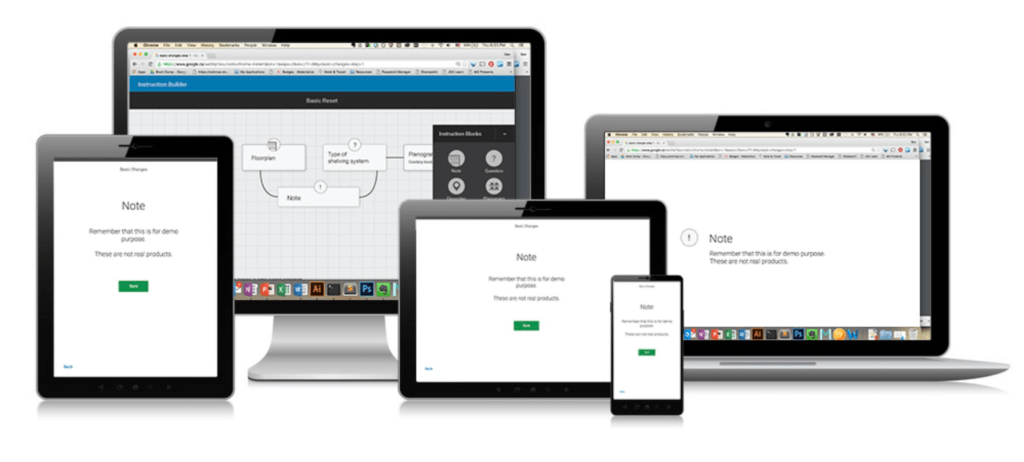
We developed a platform that allows planners to create and track planogram campaigns, while providing store employees with tools to easily follow instructions and send feedback to the creators. To support this strategy I created a suite of physical and digital prototypes to explain the concepts across the company and during conferences
Patents
This initiative directly resulted in two patents for JDA and sparked additional innovation projects that generated two more.
 Ben Rochon